What Is a KDP Yearly Business Planner Interior and How Does It Fit Your Needs?
For entrepreneurs, freelancers, and small business owners, a structured planning system is often the backbone of productivity. Physical planners remain popular, and a growing number of creators are designing and selling them through platforms like Amazon's Kindle Direct Publishing (KDP). The term "Yearly Business Planner – KDP Interior" refers not to a finished, bound book, but to the digital template or file set used to create one. It is the core interior design, ready for upload to KDP or for personal printing. Understanding what these interiors offer, and how they compare to other planning resources, is key to choosing the right tool for your goals.
Core Components and Distinct Features of a Typical KDP Planner Interior
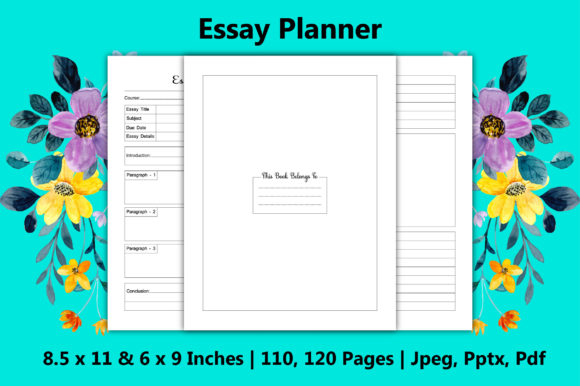
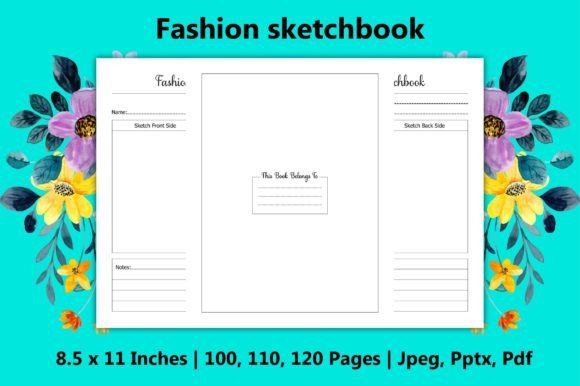
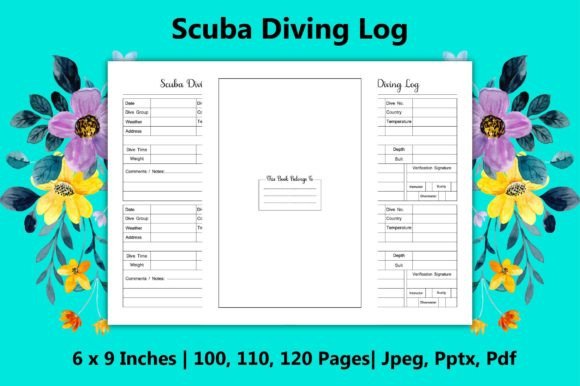
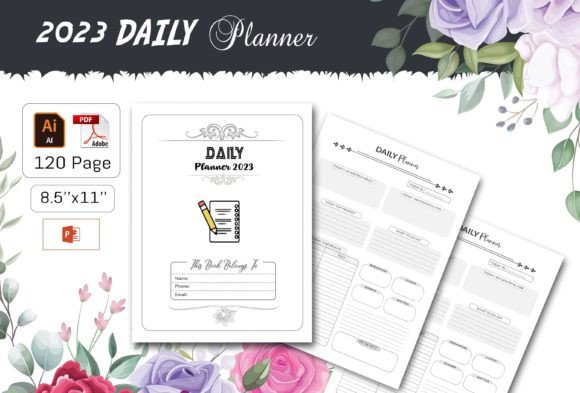
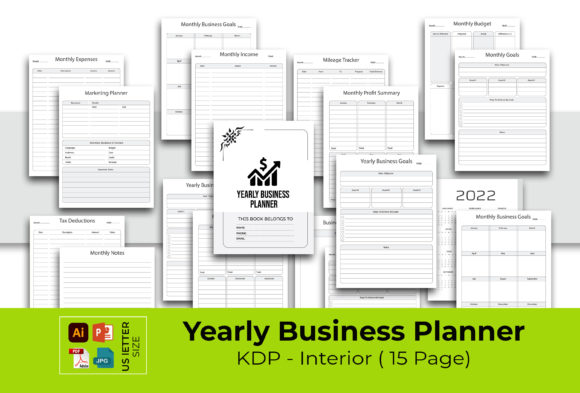
A product like the 2022 Yearly Business Planner – KDP Interior provides a specific example. Its listed components highlight what many such digital products aim to deliver. Typically, these interiors are built around a standard US Letter size (8.5 x 11 inches), ensuring compatibility with common home and office printers as well as KDP's print specifications. The inclusion of multiple file formats—such as Adobe Illustrator (AI/EPS), Microsoft PowerPoint (PPT), JPEG, and PDF—is a significant feature. This multi-format approach caters to users with different levels of technical skill and software access.
The "fully editable vector" nature of the graphic elements is a distinct advantage for those wishing to customize. Vector shapes can be resized without loss of quality, and colors can be changed easily within design software. This contrasts with purely static image files, which offer less flexibility. A ready-to-upload PDF with no bleed is a practical output for KDP sellers who want a straightforward, no-fuss publishing process. The total page count, inclusion of a calendar, and structured pages for business planning provide the foundational content.
Comparing Digital Interiors with Other Planning Tools
When evaluating a KDP Yearly Business Planner Interior, it's useful to consider the broader landscape of planning tools. Your alternatives generally fall into three categories: pre-made physical planners, fully digital apps/software, and completely self-designed templates.
- Pre-made Physical Planners: These are finished products from major brands. They offer convenience and often proven layout designs but provide zero customization. You cannot alter the structure, color scheme, or branding to match your business identity.
- Digital Planning Apps: Tools like Trello, Asana, or dedicated planner apps offer dynamic, collaborative features and cloud access. However, they lack the tangible, offline experience of a written planner and may not suit those who prefer handwriting goals and tasks for cognitive retention.
- Self-Designed Templates: Creating your own planner from scratch in a tool like InDesign or Canva offers maximum personalization. The tradeoff is the immense time investment, required design skill, and effort needed to ensure print-ready quality and proper formatting for KDP.
A KDP Interior file sits between these options. It provides a significant degree of customization—you can edit, add logos, change colors—while offering a ready-made, print-optimized structure that saves dozens of hours of design work. It is a hybrid tool: digital in source, but physical in its final intended use.
Strengths and Practical Tradeoffs of Using a KDP Planner Interior
The primary strength of a product like the Yearly Business Planner – KDP Interior is its role as a foundation. It is a starting point that removes the most technical hurdles from the process. For someone aiming to sell planners on KDP, it provides a tested, formatted interior that meets platform specifications for margins and sizing. For an individual wanting a unique planner for their office, it provides an editable file to tailor before printing at a local shop.
However, there are inherent tradeoffs. The customization capability depends on your access to and proficiency with software like Adobe Illustrator or PowerPoint. While the files are labeled "easy to edit," true graphic design changes require some skill. The fixed page count and initial layout might not suit every business model; a service-based consultant might need different sections than a product-based retailer. Furthermore, since these are often tied to a specific year (e.g., 2022), their utility for future planning requires manual updating of calendars and dates, which is an extra step.
Who Is the Best Fit for a KDP Business Planner Interior?
This type of resource is particularly well-suited for a few specific situations.
- KDP Publishers New to Planner Creation: If you are exploring the planner niche on KDP but lack extensive design experience, using a pre-formatted interior drastically lowers the barrier to entry. You can focus on marketing and business logic rather than page layout mechanics.
- Business Owners Seeking Branded Planning Tools: A company wanting to create custom planners for internal team use or as client gifts can efficiently modify these templates to include company colors, mission statements, and branded imagery.
- Individuals Who Value Handwritten Planning but Desire Customization: Someone who prefers the act of writing in a planner but is dissatisfied with generic store-bought options can use the editable files to create a layout that perfectly matches their workflow before printing a single copy.
When Might Another Option Be a Better Choice?
Despite its utility, a Yearly Business Planner – KDP Interior isn't the optimal solution for every need. Consider alternative paths if your priorities align with the following.
If your planning is inherently collaborative and real-time, digital apps are likely more effective. A team that needs to update tasks, share progress, and communicate within the planning system will find a physical planner, even a custom one, to be a limiting, static medium.
If you require extreme, granular customization beyond layout and color—such as integrating complex data charts, unique calculation sheets, or highly specialized page types—starting from a blank slate with a design tool might be necessary. The pre-defined structure of a typical KDP interior could be more constraining than helpful.
Finally, if convenience and cost are your supreme factors, purchasing an off-the-shelf planner from a retailer is the simplest, most immediate solution. It requires no software, no editing, and no printing logistics.
Key Decision Factors for Your Selection Process
To make an informed choice between a KDP Yearly Business Planner Interior and other options, weigh these practical factors.
- Technical Access & Skill: Do you have, and are you comfortable using, software like Illustrator or PowerPoint to perform the edits you desire?
- End-Use Purpose: Is the final product for personal use, for internal business use, or for commercial sale on a platform like KDP?
- Customization Depth: How important are specific branding, color schemes, and layout adjustments to you? Is "some customization" enough, or do you need "total control"?
- Time Investment: Compare the hours needed to edit a prepared template versus building from scratch or learning a new digital app.
- Printing Logistics: Are you prepared to handle personal printing or understand KDP's upload process, or do you want to avoid all physical production steps?
Moving Forward with an Informed Approach
A resource like the Yearly Business Planner – KDP Interior occupies a useful niche in the planning toolkit ecosystem. It serves as a bridge, offering more personalization than a mass-market planner while providing more structure and print-readiness than a blank design project. Its value is maximized when your goal aligns with creating a tangible, printed planning document that bears your personal or business touch.
By carefully considering your technical capabilities, end goal, and the tradeoffs against purely digital or purely pre-made alternatives, you can determine if this type of template file is the right foundation for your planning system. Whether you are a KDP entrepreneur testing a new product or a business owner crafting a tool for your team, the key is matching the resource's strengths—editability, format variety, and print-ready structure—to your specific needs.