Your Complete Guide to KDP Daily Planner Interiors: From Design to Profit
In the bustling world of self-publishing, especially on platforms like Amazon's Kindle Direct Publishing (KDP), content is king, but presentation is the crown. For entrepreneurs and creatives venturing into the profitable niche of printable planners, the interior design of the product—the daily pages a user will interact with—is the core of the offering. This article explores the specialized domain of KDP daily planner interiors, demystifying what they are, why they are crucial for sellers, and how ready-to-use design packages can transform a business idea into a polished, market-ready product.
What Exactly Are KDP Daily Planner Interiors?
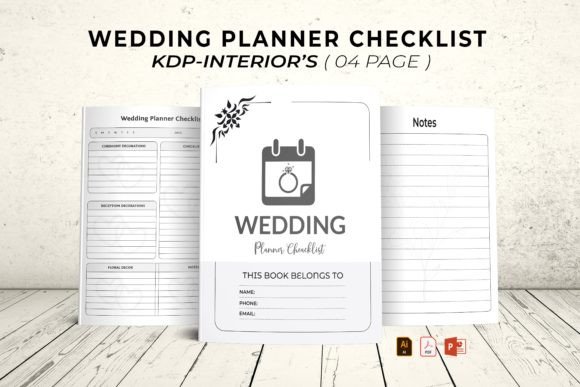
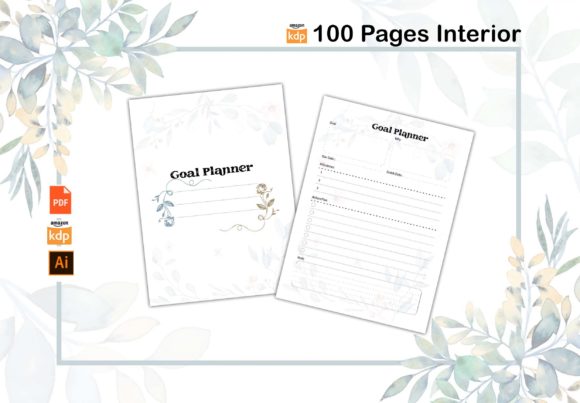
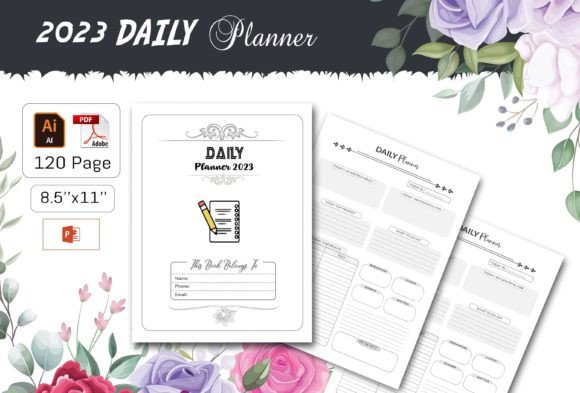
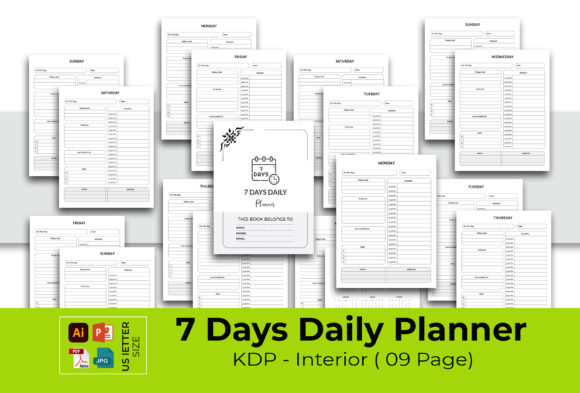
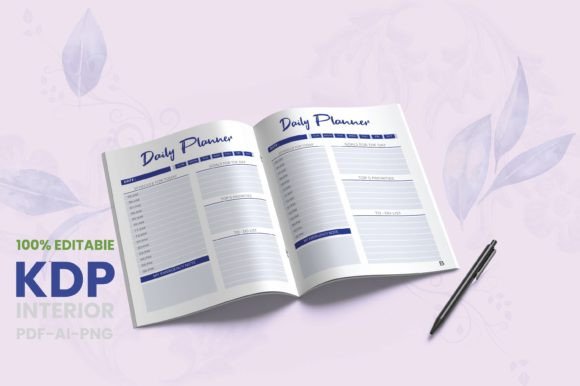
Think of a physical daily planner you might buy in a store. It's not just a blank notebook; it contains structured pages with dates, sections for tasks, notes, appointments, and often decorative elements. A KDP daily planner interior is the digital equivalent of those pre-designed pages. It is the complete set of page layouts that form the inside of a planner, tailored specifically for upload and sale through the KDP platform. These are not the covers or marketing materials; they are the functional, usable content that customers print and use day-to-day.
The key distinction is that these interiors are created as digital files for a digital publishing process. When a seller purchases or uses a pre-made interior package, they are acquiring the print-ready foundation for their planner product, saving immense time and design effort.
The Anatomy of a Professional Interior Package
A high-quality KDP interior package, as described in typical listings, is a comprehensive toolkit for the seller. Let's break down the common components and features to understand their significance.
Core File Formats: The Building Blocks
The inclusion of multiple file types caters to different seller needs and technical skills.
- Editable Illustrator AI File: This is the gold standard for flexibility. An Adobe Illustrator (.ai) file allows designers with the proper software to modify every element—colors, fonts, graphics, layouts. It empowers sellers to create unique variations or tailor the design to a specific brand without starting from scratch.
- PDF Files: These are the final, locked-in, print-ready documents. They are what the seller ultimately uploads to KDP. The mention of "Many Many High Resolution" PDFs ensures the files are optimized for crisp, clear printing, a critical factor for customer satisfaction.
- PNG Files High Resolution (300 DPI): Providing individual pages as PNG images can be useful for previews, marketing thumbnails, or for sellers who wish to use alternative assembly methods. The 300 DPI (dots per inch) specification guarantees professional print quality.
Critical Specifications and Features
Beyond the files, several technical details define a viable KDP product.
- Design Dimensions (8.5" x 11" Inches): This is the standard US letter size, one of the most popular and accepted formats on KDP for printed planners. It fits common home printers and binder sizes.
- Total Pages (e.g., 365 Pages): This corresponds to a full-year, daily planner, with one page for each day of the year. Page count is a direct value proposition for customers.
- No Bleed: In printing, "bleed" refers to design elements that extend to the edge of the page. "No Bleed" indicates the design is safe for the standard KDP printing setup where edges might be trimmed, ensuring no crucial content is cut off.
- Total Editable Design: This reiterates that the core structure and artwork can be changed, not just the dates or text.
- Ready For Upload KDP: This is the ultimate promise: that the package, particularly the PDFs, meets all of KDP's technical requirements for interior file uploads, streamlining the publishing process.
The Transformative Impact for KDP Interior Sellers
The statement "If You Kdp interior Seller This Will Be Changing Interiors" speaks to a fundamental shift in workflow and capability. Here’s how professional interior packages change the game.
From Idea to Product at Lightning Speed
Designing 365 unique, aesthetically pleasing, and functional daily pages requires significant graphic design skill and time. For a seller with a business idea but limited design expertise or resources, a pre-made interior eliminates this colossal barrier. It allows them to focus on marketing, niche selection, and customer outreach rather than months of layout work.
Ensuring Professional Quality
An amateurish design can sink a product in a competitive marketplace. These packages are created by specialists who understand layout principles, typography for readability, and visual balance. Using them elevates the perceived value of the final planner, lending it a professional credibility that attracts customers.
Enabling Scalability and Variation
With an editable AI file, a seller isn't locked into one product. They can modify colors to create different themes (e.g., a calm blue version, a vibrant pink version), adjust graphics to target new niches (student planners, wedding planners), or even recombine elements to create weekly or monthly planners. One quality interior package can become the foundation for an entire product line.
Fitting Into the Modern Creator Economy
The demand for physical planners in a digital age is a fascinating trend. It speaks to a desire for tactile organization, mindfulness practices, and creative expression. KDP planner sellers are directly serving this market.
These interior packages fit seamlessly into the creator economy model. They are a tool that allows individuals to become micro-entrepreneurs. A teacher, a life coach, an artist, or anyone with insight into a specific planning need can use these technical assets to create a tailored product without needing a large company or investment. It democratizes product creation.
Common Misunderstandings Clarified
It's important to address some assumptions about this process.
- Misunderstanding 1: "It's just a template, so all products will look the same." While the base structure might be similar, the editable nature and the seller's choice of cover, title, description, and target niche make each final product unique. The interior is the engine, not the brand.
- Misunderstanding 2: "This is only for people who don't know design." Even proficient designers use these packages. They can serve as a high-quality starting point, saving time on the repetitive structuring of 365 pages, allowing the designer to invest time in custom illustrative elements or complex modifications.
- Misunderstanding 3: "The product is just the digital file." No, the seller is creating a physical product offer. Customers purchase the planner through KDP, and Amazon prints and ships the bound book on demand. The seller provides the digital interior file that defines that physical book.
Practical Steps: From Package to Published Planner
Understanding the value of these interiors is one step; knowing how to utilize them is the next. Here’s a simplified pathway.
- Selection: Choose an interior package that matches your target audience’s style (minimalist, colorful, floral, corporate) and has the technical features you need (editable files, correct page count).
- Customization (Optional): Using the Illustrator file, make your desired changes. This could be as simple as changing accent colors or as complex as adding custom icon sets.
- Finalization: Ensure you have the print-ready PDFs. If you made edits, you would generate new PDFs from your modified design.
- Cover Design: Create a compelling front cover, back cover, and spine design. This is a separate but crucial design task that markets your product.
- KDP Setup: In your KDP account, create a new paperback project, upload your interior PDF, upload your cover files, set your trim size (8.5"x11"), fill in the product details, and set your price.
- Launch: After review, your planner will be live for sale, printed on-demand when a customer orders it.
The Bigger Picture: Significance in Digital Entrepreneurship
KDP daily planner interiors represent more than just a product category; they symbolize a key infrastructure layer in the modern digital marketplace. They are the specialized tools that lower the activation energy for entrepreneurship. By providing the ready-made, complex core of a product, they allow human creativity and business acumen to focus on the higher-value tasks: identifying market gaps, building a brand, and connecting with customers.
For the general reader, this might illuminate how many of the niche, beautiful planners they see online are actually created. It’s a blend of accessible technology, specialized digital assets, and individual vision. For the aspiring seller, understanding these interiors is the first step toward transforming a passion for organization or design into a tangible, profitable business, truly having a "good day" in the world of self-publishing.