The Accounting Ledger Logbook Planner: A Design Asset for Organized Professionals
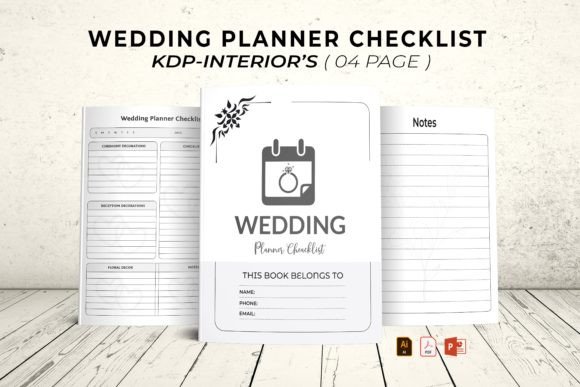
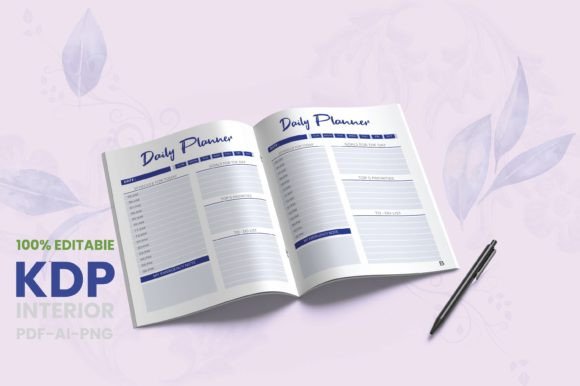
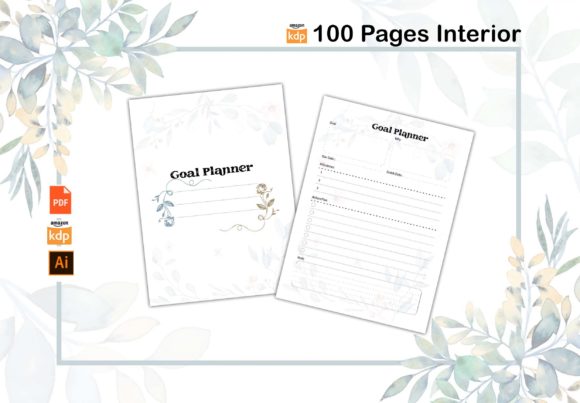
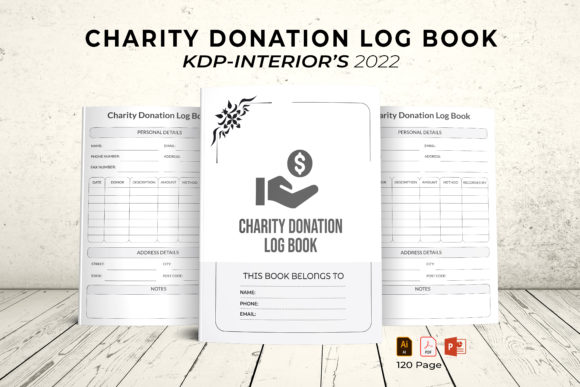
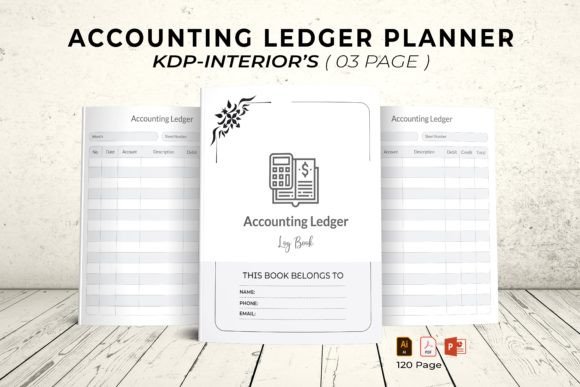
At first glance, the term Accounting Ledger Logbook KDP Interior’s might seem strictly functional—a tool for numbers and records. But in the hands of a creative professional, it reveals itself as a meticulously crafted design system. This isn't just a collection of pages; it's a fully editable vector interior designed for the 2022 Accounting Ledger Logbook Planner. Its visual characteristics are built on clarity and precision. The grid structures are clean, the lines are sharp, and the overall layout speaks to a personality of order and reliability. The inclusion of 100 vector shapes, all re-sizable, adds a layer of adaptable graphic elements that can be tailored to inject subtle brand personality into what is often a utilitarian document.
The appeal lies in its duality: it is a print-ready file, tested for KDP, offering a completely professional base, yet it remains an easy to editable file. You can change colors, modify layouts, and integrate your own branding without starting from scratch. This flexibility transforms a standard ledger into a cohesive part of your business's visual identity.
Where This KDP Interior Excels Beyond Accounting
While designed for an accounting ledger logbook planner, the application of this interior extends far beyond simple bookkeeping. Its structured, clean format makes it a powerful asset across various projects where organization and presentation are key. For entrepreneurs and small business owners, it can be adapted for client proposal templates, project trackers, or inventory management systems. Content creators and bloggers might use it to create downloadable premium content—like structured goal-setting worksheets or editorial calendars—adding value for their audience.
In publishing, this interior is a solid foundation for creating a range of logbooks or planners for niche markets on platforms like KDP. Crafters and hobbyists could utilize the editable vectors and easy color changes to design personalized project planners or craft supply ledgers. The modern typography and layout inherent in the design ensure that even the most data-heavy pages maintain a professional, readable aesthetic. This versatility is its core strength; it’s a design asset that serves both personal organization and commercial product creation.
Building Professionalism and Engagement Through Design
Using a well-designed interior like the Accounting Ledger Logbook KDP Interior’s directly influences brand perception and user engagement. A poorly formatted ledger feels chaotic and unreliable. Conversely, a document with clear visual hierarchy, consistent spacing, and high-quality 300 dpi graphics communicates professionalism and attention to detail. It tells your clients, or your own team, that you value order and clarity.
For brand identity, this is crucial. You can customize the interior to align with your brand colors and style, ensuring that even internal documents reinforce your visual language. This consistency builds recognition. Furthermore, a readable, well-organized logbook increases practical engagement—users are more likely to actually use and maintain the system because it’s not a struggle to navigate. The design facilitates function, which in turn supports business efficiency and personal productivity.
Practical Guidance for Implementation and Pairing
Before integrating this interior into your project, evaluate the fit. Does your project require structured pages, calendars, and a logical grid? If so, this is an excellent starting point. Consider the included file formats: the Illustrator CC 2019 Ai or EPS file offers maximum editability for designers, while the PowerPoint 2016 PPT file provides accessibility for a wider range of users. The ready-to-upload PDF is your final, no-bleed print-ready asset.
When thinking about font pairing for any cover design or additional text you add, lean towards clean, professional sans serif fonts for headings and perhaps a classic serif font for longer descriptive text. The interior's own style is neutral and structured, so it pairs well with both modern and traditional typefaces. Always test readability at actual size; the 8.5 x 11 inch US Letter format is standard, but ensure any added text is legible.
For commercial licensing, the key point is that this interior is designed for you to build your own KDP product. It’s a template, which means you are creating a new, unique derivative work by customizing it. Always verify the specific terms of use for the interior file itself, but generally, such assets are provided for commercial use within the finished products you create and publish.
From Template to Tailored Tool: Realistic Applications
Imagine a freelance graphic designer. They could use the Accounting Ledger Logbook KDP Interior’s not for accounting, but to create a "Client Project Tracker." By editing the vector shapes and changing colors to match their brand, they transform the ledger grids into timelines and milestone charts. The 2022 calendar page becomes an integrated scheduling overview. This creates a branded, professional tool they can use internally or even offer as a value-add to clients.
Another example lies in the world of digital and print publishing. A marketer focusing on personal finance content could use this interior as the core of a "2022 Personal Budget Planner" to sell as a digital download or print-on-demand book. The easy to editable file allows for quick customization each year, making it a sustainable commercial font of design resources for annual products. The practical recommendation is to look at the structure provided and think creatively about what other data or goals could fit neatly into its organized framework.
Ultimately, the Accounting Ledger Logbook KDP Interior’s is more than a page layout. It’s a foundational design tool that emphasizes clarity, adaptability, and professional presentation. By understanding its characteristics and potential applications, designers, entrepreneurs, and creators can leverage it to build products and tools that are not only functional but also visually coherent and aligned with their broader creative or professional goals. It turns the necessity of organization into an opportunity for good design.