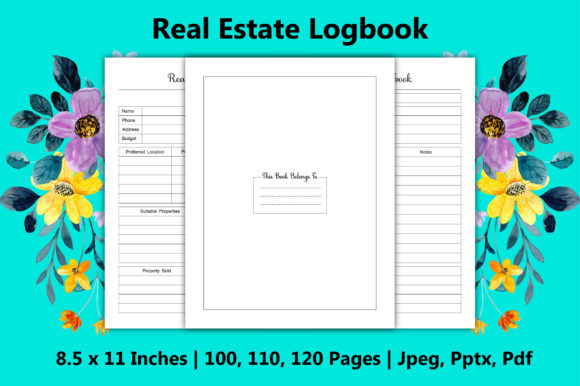
Real Estate Logbook: A Functional KDP Interior Template
When you’re running a low-content or no-content publishing business on Amazon KDP, the tools you choose aren’t just about aesthetics—they’re about efficiency and meeting a specific market demand. The Real Estate Logbook KDP Interior template is precisely that kind of tool. It’s a pre-designed, ready-to-use framework built for a very practical niche. Its visual characteristics are straightforward and professional: clean layouts on an 8.5 x 11 inch page, structured for logging information, devoid of decorative flourishes. Its personality is utilitarian, organized, and quietly authoritative, appealing directly to professionals or enthusiasts in the real estate sector who need a functional document.
The Practical Core of a Niche Interior Template
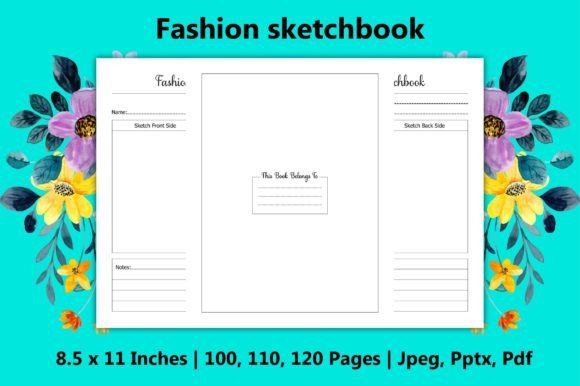
This isn’t a font or a creative typeface; it’s a complete interior template. Its overall appeal lies in its readiness. You receive JPEG pages, PDFs, and even PPTX files for customization, which means you can adjust elements if needed without advanced design software. The included versions—100, 110, and 120 pages—offer flexibility for creating different products at different price points. The “No Bleed” and “Black and White” specifications are critical, as they align perfectly with Amazon KDP’s standard, cost-effective printing options. This template eliminates guesswork about margins and color settings, a common hurdle for new publishers.
Its style is inherently minimalist. You won’t find complex graphic design here. Instead, you encounter structured pages likely designed for recording property details, client information, financial notes, or inspection logs. This clarity serves a dual purpose: it makes the final printed logbook easy for the end-user to navigate, and it makes your job as a publisher remarkably simple. You’re providing a specialized tool, not a general notebook. This focus on a specific application is where its real value emerges.
Where This Logbook Template Finds Its Purpose
The Real Estate Logbook KDP Interior works best within the ecosystem of Amazon Kindle Direct Publishing, specifically for entrepreneurs targeting professional or hobbyist niches. Its primary application is creating physical logbooks or journals to sell on Amazon. Think of the audience: real estate agents, property managers, investors, or even DIY home inspectors. They need organized paper systems for field work, client meetings, or portfolio tracking. A generic notebook doesn’t serve this purpose; a dedicated real estate logbook does.
For you, the publisher, marketer, or content creator, this template is a design asset that accelerates production. You can upload the tested PDF directly, or use the editable files to perhaps add your own branding or slight modifications. It’s a commercial product meant for commercial use—you’re licensing a template to create and sell your own derivative physical book. This is a classic low-content business model: identifying a professional need and fulfilling it with a well-structured, physical product.
Influencing Perception Through Function and Form
While not a font, the template’s design directly influences readability and professionalism. A cluttered, poorly laid out interior would undermine the logbook’s promise of organization. The clean, black-and-white layout with clear sections establishes a visual hierarchy on each page, guiding the user’s eye to the relevant fields or notes areas. This functional consistency translates into brand perception for your KDP business. If you publish a series of professional logbooks using similarly clean templates, customers begin to recognize your products as reliable, useful tools.
This consistency builds audience engagement through utility. A customer who finds your real estate logbook genuinely helpful for tracking listings is more likely to return for your property investment journal or contractor maintenance log. You’re building a small publishing brand based on solving practical problems, not just selling random notebooks. The template’s straightforward nature ensures the end-product feels legitimate and purpose-built, which is exactly what the target audience seeks.
Guidance for Publishers and Creators
Choosing to use the Real Estate Logbook KDP Interior comes down to evaluating project fit. Ask yourself: is there a verifiable audience in the real estate space looking for physical planning tools? Research Amazon best-sellers in similar categories. If the niche seems active, this template provides a fast start. Its included file formats are a key consideration. The JPEGs offer a fixed layout; the PDF is ready for upload; the PPTX files allow for changes in PowerPoint, a tool many non-designers have. This flexibility is a significant advantage.
When testing, even with such a functional template, consider the end-user experience. Print a test page from the provided PDF to check the readability of any placeholder text and the alignment of all lines and boxes. Since it’s a black and white, no-bleed interior, your testing with Amazon KDP should be straightforward—these are the safest, most approved settings. For commercial licensing, confirm with the template seller that your intended use—creating a book to sell on KDP—is covered. Most KDP-focused interiors explicitly grant this right.
From a design observation perspective, the value lies in its specificity. A generic blank journal interior would require you to define its market. This template defines the market for you: real estate. Your marketing efforts can then be highly targeted. Your book title, description, and keywords can all speak directly to that professional’s needs. The template itself does the heavy lifting of establishing the product’s core function. Your job becomes one of packaging, marketing, and delivery.
Realistic Applications and Final Recommendations
A realistic example: you use the 120-page PDF version, upload it to KDP as the interior file, design a simple but professional cover mentioning “Real Estate Agent Logbook,” and set your price. Your product listing can highlight the structured pages for client details, property specs, and commission tracking. You’ve created a market-ready product in a fraction of the time it would take to design such an interior from scratch.
My practical recommendation is to think beyond a single book. Could you use the customizable PPTX files to create slight variations? Perhaps a “Commercial Real Estate Logbook” version by modifying some section headers? This approach allows you to build a small portfolio within the niche, maximizing the utility of one core design asset. Remember, in low-content publishing, speed and niche focus are often more valuable than artistic complexity. The Real Estate Logbook KDP Interior provides that focus, letting you channel your efforts into the business aspects of publishing—researching markets, optimizing listings, and building a brand around practical, physical tools for professionals.