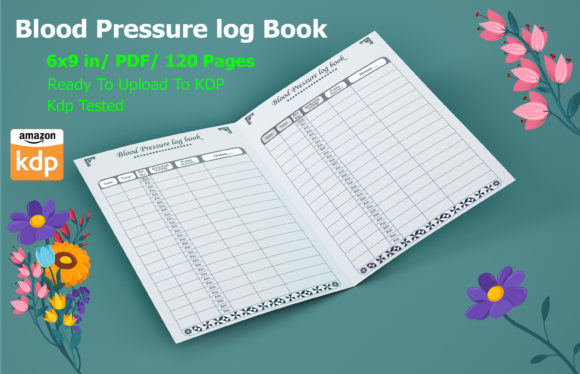
The Essential Tool for Health Management: A Professional Blood Pressure Log Book
Managing one’s health requires diligent observation, and for individuals monitoring hypertension or cardiovascular wellness, tracking blood pressure readings is a critical daily or weekly task. While digital apps exist, many patients, caregivers, and healthcare professionals find that a physical, dedicated log book offers unmatched clarity, consistency, and peace of mind. The creation of such specialized journals has become an important niche within the publishing world, particularly through platforms like Amazon KDP (Kindle Direct Publishing). For creators looking to publish a useful and marketable Blood Pressure Log Book KDP interior, understanding the design, structure, and user needs is paramount to producing a successful product.
Why a Physical Log Book Matters in a Digital Age
The act of manually writing down systolic and diastolic numbers, along with notes on medication, diet, and stress, engages a different level of cognitive processing. It reinforces accountability and provides a tangible record that can be easily shared with a doctor during appointments. A well-designed log book transforms random readings into a coherent health story, highlighting trends over time that might be missed in a digital list. For the broad audience encompassing older adults, busy professionals, and concerned family members, simplicity and reliability are often preferred over technological complexity.
Core Characteristics of an Effective Blood Pressure Log Interior
An interior layout destined for a Blood Pressure Log Book must prioritize function above all else. The typical user needs clear, repetitive structures that minimize confusion. Essential characteristics include:
- Consistent Entry Fields: Each page or spread should offer uniform spaces for date, time, systolic/diastolic readings, pulse, and notes.
- Ample Space for Annotation: Beyond numbers, users need to log contextual factors like physical activity, medication doses, or symptoms.
- Visual Guides and Instructions: A brief introductory section explaining how to use the log and perhaps basic information about blood pressure ranges is invaluable.
- Summary or Review Sections: Periodic pages for monthly summaries or charts allow users to visualize progress.
- High Readability: Fonts must be large and clear, with generous spacing to accommodate writing, potentially by hand that may not be perfect.
The KDP Creator's Journey: From Design to Upload
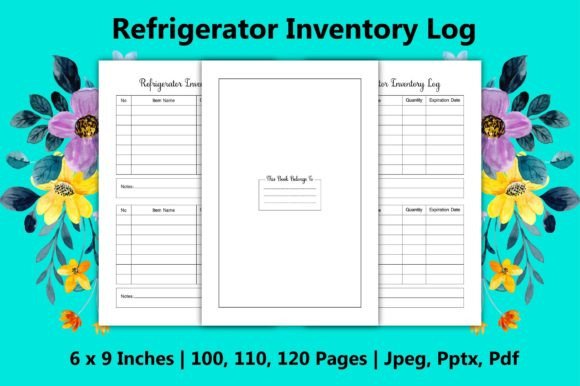
For the independent publisher or designer, Amazon KDP offers a direct route to market a physical log book. The process hinges on preparing a print-ready interior file. When a creator offers a design package, they often provide comprehensive resources. As noted, a complete download might include: 1. Ready for Upload PDF File, 2. Dimensions 6"x9" Inches, 3. Pages 120 Pages, 4. Bleed No Bleed, 5. JPG, PDF, AI, and EPS Files, 6. High-Quality Design. This suite addresses every technical requirement.
Understanding the Technical Specifications
The 6"x9" dimension is a popular trim size for journals, offering a comfortable writing space without being overly bulky. A 120-page count provides substantial capacity for several months of daily tracking. The specification of no bleed is crucial; it means all critical design elements are kept within a safe margin, ensuring nothing is cut off during the printing process. The inclusion of multiple file formats (JPG, PDF, AI, EPS) caters to different user needs. The PDF is ready for immediate upload to KDP, while the AI (Adobe Illustrator) and EPS files allow other designers to modify or adapt the core design, adding value for a professional or hobbyist audience.
Real-World Applications and User Scenarios
A thoughtfully crafted Blood Pressure Log Book interior serves diverse real-world applications. Consider a cardiologist's office that recommends a specific log to new patients for pre-appointment monitoring. Or a retiree who uses the log diligently, creating a binder of historical data that informs discussions with their primary care physician. Fitness enthusiasts monitoring the impact of new training regimens on their resting blood pressure also find such logs beneficial. In each case, the physical book acts as a trusted companion, its structure guiding consistent and meaningful data collection.
For the business owner or creator in the KDP space, identifying these use cases informs marketing and design. Emphasizing features like extra notes sections for diet or “doctor’s visit reminders” can make a product stand out. Observing that users often pair the log with a home monitoring kit suggests that including a page for recording device model or calibration notes could be a thoughtful addition.
Design Considerations Beyond the Basics
While functionality is key, aesthetic and human considerations elevate a log book. A calm, clean design with a soft color palette can reduce anxiety associated with health monitoring. Page headers with inspirational quotes or gentle reminders about wellness can provide emotional support. The inclusion of a quick-reference chart for normal, elevated, and hypertensive ranges on the inside cover is a practical touch that demonstrates expertise and care for the user’s experience.
The Advantages of a Pre-Designed KDP Interior
For many entering the self-publishing market, designing a 120-page interior from scratch is a significant time investment. Acquiring a professionally prepared Blood Pressure Log Book KDP interior package offers distinct advantages:
- Speed to Market: The ready-to-upload PDF allows for almost immediate publication.
- Professional Quality: The design is likely created with an understanding of typography, spacing, and print requirements.
- Flexibility: Access to source files (AI, EPS) enables customization for branding or adding unique features.
- Cost-Effectiveness: It often represents a more economical option than hiring a freelance designer for a one-off project.
This is particularly relevant for educators or researchers who may want to distribute a tailored log as part of a community health program, or for hobbyists exploring the creative side of publishing without deep design skills.
Optimizing for Success on Amazon KDP
Publishing the log book involves more than just uploading a file. The book’s description, categories, and keywords must align with user search intent. Naturally incorporating terms like “blood pressure journal,” “health tracker,” “hypertension log,” and “patient monitoring diary” alongside the core phrase Blood Pressure Log Book KDP Interiors helps in visibility. The product’s physical quality, derived from that high-quality interior design, then leads to positive reviews, which are essential for long-term success in a competitive marketplace.
A Final Observation on Usability and Trust
The ultimate goal of any health log is to build a reliable record that fosters better health decisions. The KDP interior that forms the backbone of the book must therefore be built on principles of clarity and trust. Every element, from the alignment of entry boxes to the readability of instructional text, contributes to the user’s confidence in the tool. When a log book achieves this, it becomes more than a product; it becomes a part of an individual’s healthcare routine, a simple yet powerful instrument for taking control of one’s wellbeing. For the creator, that represents not just a commercial opportunity, but a contribution to public health and empowerment.