Gas Mileage Log Book: A Structured Digital Interior for KDP Creators
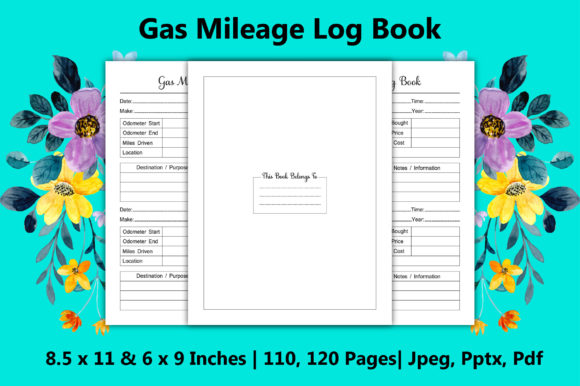
When you decide to offer a low or no-content book on Amazon KDP, the interior design isn’t about artistic flourishes; it’s about providing a flawless, functional framework. The Gas Mileage Log Book - Kdp Interiors package embodies this principle perfectly. It is a complete, ready-to-use digital template built specifically for a gas mileage tracker, designed to be uploaded directly to Kindle Direct Publishing with zero technical hassle. Its visual characteristics are defined by utility: clean tables, clearly labeled sections for date, mileage, fuel cost, and notes, all arranged within a minimalist grid. The personality is strictly professional and pragmatic, appealing to anyone seeking an organized tool rather than a decorative journal.
The overall appeal lies in its tested readiness. This isn’t a speculative design; it’s a product packaged with all necessary files—JPEG pages, a PDF, and even PPTX files for customization—in the exact dimensions KDP requires (8.5x11 and 6x9 inches). The style is universally straightforward, using a simple, highly readable sans serif font for all headers and input fields, ensuring the user's data is the star. The black and white interior with no bleed settings means it prints cleanly and cost-effectively, a crucial detail for physical paperback editions. For the entrepreneur, this interior solves a production problem, letting you focus on marketing and sales rather than layout design.
Where This Functional Interior Works Best
The Gas Mileage Log Book - Kdp Interiors template is a niche product, but its applications are clear and valuable. It works exclusively within the ecosystem of Amazon KDP, targeting creators running a low-content publishing business. Its primary use is, of course, for creating a ready-to-sell gas mileage log book. However, its structured table format can serve as a mental model for other data-logging books—expense trackers, workout logs, habit trackers—where creators can use the included PPTX files to adapt the core framework.
This isn’t a font for branding a coffee shop or a script font for wedding invitations. It’s a commercial font and layout system used within a very specific type of editorial design: utilitarian paperback interiors. Its strength is in providing consistency and professionalism across every page of a 110 or 120-page book. For the marketer or blogger promoting KDP strategies, offering this as a done-for-you product exemplifies a practical business asset. It also serves crafters and hobbyists who manage vehicle expenses and want to publish a useful tool for others in their community.
The Impact of Structure on User Experience and Sales
In low-content books, readability and logical visual hierarchy are the only design goals. The Gas Mileage Log Book - Kdp Interiors achieves this through a strict, repetitive layout. Each page guides the user intuitively: large headers denote sections, uniform rows and columns create predictable data entry spaces. This consistency directly influences the buyer’s perception. A cluttered, amateurish interior suggests a low-value product; this clean, tested template suggests a reliable, professional tool. That perception can significantly impact reviews, repeat purchases, and overall audience engagement.
For your brand as a KDP publisher, repeatedly using well-structured interiors like this builds brand recognition. Customers who buy a useful, clearly laid-out mileage log and have a positive experience are more likely to trust your other low-content offerings. The modern typography used within—likely a simple, neutral sans serif—ensures no stylistic missteps that could distract or confuse. The package’s value is bundled: you receive a proven design asset that eliminates guesswork, reduces time-to-market, and provides a solid foundation for a commercial product.
Practical Steps for Implementing This KDP Interior
Your evaluation process is straightforward. First, confirm your project fits the niche: a data-logging book for Amazon KDP. If so, the Gas Mileage Log Book - Kdp Interiors is essentially a plug-and-play solution. Download the instant PDF and verify the page count matches your plan (110 or 120 pages). The inclusion of JPEG pages and PPTX files is a key feature. Use the PPTX files for any minor customization—perhaps adding a subtitle or a brief introductory page—while keeping the core table structure intact. This flexibility allows for slight personalization without risking the integrity of the tested layout.
Since this is a complete interior, font pairing isn’t a concern; the typographic decisions are already made and optimized for print readability. Your job is to ensure the cover design you create complements the interior’s professional, utilitarian vibe. A cover that screams “modern handwritten font” might clash with the interior’s sober tables; aim for visual harmony. Regarding commercial licensing, the product is explicitly designed for your use on KDP, meaning you can publish and sell the books you create with it without additional legal worries. Always, however, review the specific terms provided with the download.
Moving From Template to Published Product
Imagine you’ve downloaded the package. You open the PDF and see 120 pages of identical, clean tables. This repetition is a feature, not a bug—it gives the user ample logging space. You use the 6x9 inch version for a more compact paperback. You upload the PDF directly to KDP, and because it has no bleed and uses black and white, the printing cost estimate remains low. Your book goes live. A customer buys it to track their fleet vehicle expenses. They find it effortless to use because every page is logically identical. They leave a positive review citing the “well-organized pages.” That review drives more sales. This is the real-world lifecycle this interior supports.
The Gas Mileage Log Book - Kdp Interiors isn’t about creative expression; it’s about removing barriers. For designers entering the KDP space, it’s a lesson in functional design. For entrepreneurs, it’s a turnkey asset. For content creators teaching publishing, it’s a perfect example of a market-ready digital product. Its value is in its specificity and its execution. By providing exactly what’s needed—correct dimensions, proper file formats, tested layouts—it allows you to focus on the business of publishing, not the minutiae of page setup. That’s perhaps its greatest asset: turning design complexity into a simple, uploadable file.