Crafting Productivity: The Essential Role of a KDP Weekly Planner Interior
In the organized chaos of modern life, the act of planning is not merely administrative; it is a foundational practice for clarity, focus, and achievement. For creators, entrepreneurs, and professionals, a physical planner remains a powerful tool, transforming intangible goals into tangible steps. This is where a specialized resource like a Weekly Planner KDP Interior becomes invaluable. It represents not just a collection of pages, but a designed framework for intentional living, tailored for those who publish or produce their own tools.
Understanding the KDP Planner Ecosystem
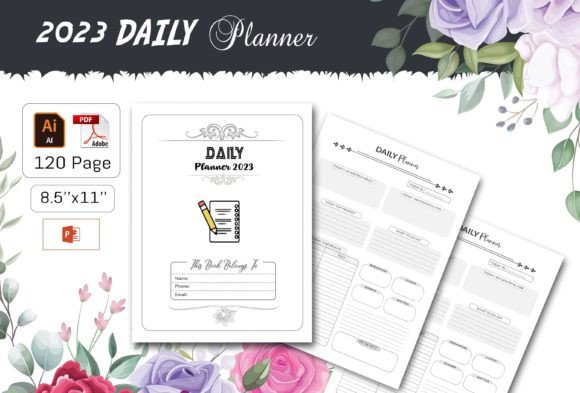
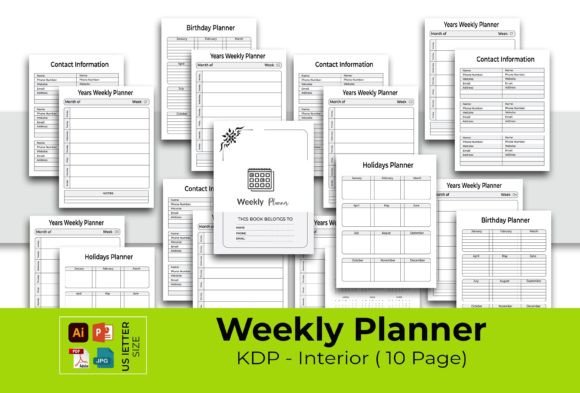
The term "KDP Interior" refers specifically to the formatted, print-ready file designed for use within the Amazon Kindle Direct Publishing platform. It is the core content of a physical book, stripped of the cover, ready for integration. A Weekly Planner – KDP Interior is, therefore, a complete, professional template for a weekly planning book. A version such as the 2022 Weekly Planner – KDP Interior’s includes the relevant annual calendar, providing a time-specific structure. These are not mere sketches but finished products, comprising 120 pages including a cover page, calendar, and the main weekly layout pages. They are formatted to US Letter size (8.5 x 11 inches), tested for quality, and built for straightforward use.
Key Characteristics of a Professional Planner Interior
What distinguishes a ready-to-use interior from a basic template? It is the combination of completeness and flexibility. Key characteristics include being a fully editable vector file, allowing for limitless customization of colors, shapes, and text. The inclusion of 100 vector shapes, all resizable, means a creator can add icons, highlights, or decorative elements unique to their brand. High quality at 300 DPI ensures crisp printing whether at home, in an office, or at a professional print shop. Crucially, the file package is diverse: it typically includes an Adobe Illustrator CC Ai or EPS file for deep design work, a Microsoft PowerPoint PPT file for simpler adjustments, JPEG images for quick reference, and a final PDF that is ready to upload or print with no bleed required. This multifaceted approach accommodates users with varying levels of technical skill.
The Practical Advantages for Creators and Entrepreneurs
For someone looking to publish a planner on KDP or produce one for local sale, the advantages are profoundly practical. First, it eliminates the months of design and layout work required to create a coherent, functional planner from scratch. The time savings is monumental. Second, the editable nature means the product can be personalized. A business coach might adjust the color scheme to match their brand and add specific motivational quotes. An educator might integrate study goal sections. The vector format allows these changes without any loss in quality. Third, the "ready to upload" status of the PDF reduces the technical barrier to publishing. KDP requires specific file specifications; a pre-tested file minimizes upload errors and ensures the final printed book meets quality standards. Finally, having multiple file formats (Ai, PPT, JPEG, PDF) acts as a safety net, allowing work to continue in different software environments.
Diverse Use Cases Beyond Personal Planning
While the primary use is to create a sellable weekly planner, the applications extend further. Small businesses can use the editable files to produce custom planners for their teams, fostering organizational unity. Freelancers can print copies for their own use, benefiting from a professional layout without cost of mass publication. Educators and workshop leaders might utilize the interiors as physical materials for courses on time management or goal setting. Hobbyists in journaling or bullet journaling can use the resizable vector shapes as elements in their own creative hybrid systems. The 2022 calendar inclusion, even for a past year, serves as a reference model for designing future dated products. Essentially, it is a toolkit for anyone engaged in the domains of productivity, publishing, or personalized print goods.
Workflow Integration: From File to Finished Product
Implementing a Weekly Planner KDP Interior into a project follows a logical workflow. The user begins by assessing their needs: is this for KDP publication, for local printing, or for internal use? They then open the editable file—likely the Illustrator file for full control or the PowerPoint file for simpler text and color changes. Customizations are made: perhaps changing the title on the cover page, adjusting the color palette to softer tones, or adding a company logo. The vector shapes can be placed throughout to denote priority tasks or health goals. After edits, the creator exports or saves the final version, ensuring the main PDF for KDP is at the correct size (8.5 x 11 inches) with no bleed. For personal printing, the JPEGs or PDF can be sent directly to a home printer or local print shop. The entire process leverages the pre-formatted structure, so the user's effort is focused on customization rather than foundational layout, which is a significant efficiency gain.
Important Considerations for Optimal Results
To maximize the value of such a resource, several considerations should be noted. While the file is easy to edit, a basic familiarity with software like Illustrator or PowerPoint is beneficial for smoother modifications. Understanding the concept of "no bleed" is important: it means the design does not extend to the edge of the page, simplifying printing but also defining the safe layout area. The 300 DPI quality is ideal for printing, but if using the JPEG images for web purposes, they may be downsized. For KDP upload, strictly adhering to the provided PDF is recommended, as it has been tested. Furthermore, while the interior is complete, market success depends on marrying this professional interior with an appealing cover design and clear marketing that communicates the planner's unique features. The interior is the engine, but the full vehicle needs complementary parts.
Observing Trends in Personalized Productivity Tools
The demand for products like the Weekly Planner – KDP Interior’s aligns with broader trends. There is a growing movement towards personalized, niche-specific productivity tools. Generic planners are being supplemented by planners for specific professions, mental health practices, educational goals, or creative projects. The editable vector format of these KDP interiors directly enables this trend. Creators can rapidly prototype and produce planners for "UX Designers," "Freelance Writers," or "Mindful Parents," adapting the base structure to include relevant trackers and prompts. This trend underscores the shift from mass-produced tools to tools that feel personally crafted and context-aware. The KDP platform itself facilitates this, allowing individuals to reach global markets with their customized versions.
The real-world relevance of a well-designed planner interior is profound. It empowers individuals not just to plan their weeks, but to build and share the very tools of planning. It turns users into creators. For the busy professional, it offers a path to a tailored organizational system. For the aspiring publisher, it provides a verified, high-quality starting point. For the educator or business owner, it supplies a reproducible asset for teams or clients. In each case, the core value is the same: a structured, adaptable, and professional framework that transforms intention into action, and ideas into printed, usable reality. The Weekly Planner KDP Interior, therefore, sits at a unique intersection—it is both a tool for productivity and a tool for producing tools, a meta-resource in the ever-expanding landscape of personal and professional organization.